
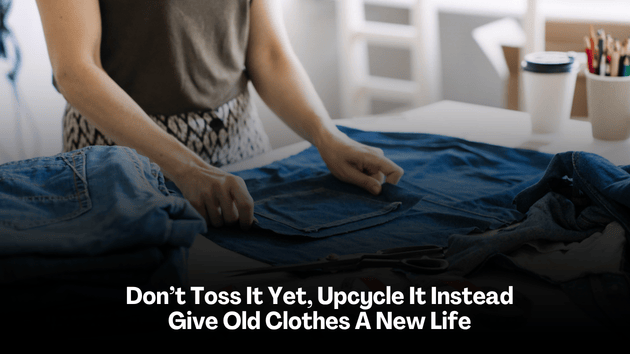
You've listed it on Depop. You've tried Poshmark. It's been sitting in that corner pile for six months, too worn to donate, too sentimental to bin. Sound familiar?
You're not alone. Over 85% of textiles in the U.S. end up in landfills each year, amounting to roughly 11.3 million tons of discarded clothing. But here's the thing: those clothes still have value. You just haven't found the right use for them yet.
This guide is your permission slip to stop feeling guilty and start getting creative.
The Real Cost of Textile Waste
Fast fashion has trained us to buy fast and discard faster. The average American throws away about 70 lbs of clothing per year, and less than 1% of clothing is currently recycled into new fiber.
The environmental impact is staggering:
- A single cotton T-shirt takes 2,700 liters of water to produce
- Synthetic fabrics like polyester can take up to 200 years to decompose
- The fashion industry contributes 10% of global carbon emissions annually
- Upcycling even one garment per month keeps roughly 3.6 kg of CO₂ out of the atmosphere
How to Use This Guide
Each tip below includes a difficulty level, the materials you need, and whether it works for natural or synthetic fabrics, so you can pick exactly what fits your skills and your closet.
5 Things To Do With Clothes You Can't Sell and Won't Wear
1. Cut Them Into Reusable Cleaning Rags
Difficulty: Easy | Best for: Cotton, linen, flannel
This is the fastest zero-waste win in the game. Take any soft, worn-out garment and cut it into 6–8-inch squares using regular scissors or pinking shears; no sewing required.
Use them for:
- Dusting furniture and shelves
- Wiping down kitchen counters and appliances
- Interior car cleaning
- Applying or removing DIY cleaning solutions at home
Pro Tip: Avoid using fluffy or lint-heavy knits on glass; stick to smooth cotton for streak-free surfaces.
One old T-shirt yields approximately 8–10 cleaning rags, replacing disposable paper towels and saving an average household $120/year in cleaning supply costs.
2. Transform Fabric Into Home Décor
Difficulty: Moderate | Best for: Denim, flannel, knits, printed cotton
Old clothes are literally interior décor waiting to happen — and this is where your fashion eye becomes a serious advantage. Searches for "upcycled home décor from old clothes" increased by 63% on Pinterest in the last two years.
Here's what you can make by fabric type:
- Denim jeans → Patchwork cushion cover or hanging wall planter
- Knit sweater → Throw pillow stuffing or embroidery hoop wall art
- Flannel shirt → Table runner or decorative napkins
- Printed cotton → Fabric photo frame or reusable gift wrap
- Linen blouse → Reusable produce bags or a small storage pouch
No advanced skills are needed; fabric glue and a pair of scissors can handle most of these projects in under an hour.
3. Compost Natural Fiber Clothing
Difficulty: Easy | Best for: 100% cotton, linen, hemp, wool ONLY
If a garment is beyond repair, composting is the most earth-positive exit — but only for natural fibers. Synthetic blends (polyester, nylon, acrylic) are petroleum-based and will not biodegrade.
How to compost clothing correctly:
- Remove all buttons, zippers, and care label tags first
- Cut fabric into small 2–3 inch pieces to speed up decomposition
- Mix into your home compost bin with food scraps and dry leaves
- Natural fabrics fully decompose in 1–5 months under active composting conditions
4. Donate to Animal Shelters or Textile Recyclers
Difficulty: Easy | Best for: All fabric types, all conditions
Just because your local Goodwill said no doesn't mean your garment is worthless. Two powerful alternatives exist that most people overlook entirely.
Animal Shelters accept worn, stained, or ripped clothing as bedding for dogs and cats. The most wanted items include:
- Old fleece jackets and hoodies
- Soft knit sweaters and cardigans
- Worn bath towels and cotton tees
- Small blankets or shawl-style wraps
Textile Recyclers accept clothing in poor condition specifically for fiber recycling. Brands actively running these programs include:
- H&M Garment Collecting — drop boxes in-store, no condition requirement
- Patagonia's Worn Wear — accepts its own brand items for repair or recycling
- The North Face Renewed — accepts worn outdoor gear for refurbishment
- ThredUp Clean Out Kits — mail-in service for all clothing brands
5. Upcycle Into Wearable DIY Accessories
Difficulty: Moderate | Best for: Denim, knitwear, printed cotton, leather
This is the most FashionMagazine-worthy move on this list. Clothes that can't be worn as-is can be transformed into statement accessories, no advanced sewing skills required.
Here's what's possible with items already in your closet:
- Denim skirt or jeans → Crossbody bag or structured tote (scissors + fabric glue)
- Sweater sleeve → Cozy headband or wrist warmer (scissors only — no sewing)
- Printed shirt or scarf → Scrunchies or bohemian hair wraps (needle & thread)
- Leather or faux-leather jacket → Minimalist card holder or waist belt (leather punch + rivets)
- Oversized knit cardigan → Open-weave market bag with knotted handles (basic sewing kit)
Embellish with embroidery thread, iron-on patches, fabric paint, or rhinestones for a completely one-of-a-kind finish. The cost? Practically zero. The result? Entirely original.
What NOT To Do With Unwearable Clothes
The single biggest mistake people make? Defaulting straight to the bin. Even a shredded garment has options. Use this quick decision path before you ever reach for a trash bag:
- Natural fiber garment? → Compost it or cut into reusable rags
- Synthetic blend? → Send to a textile recycler or animal shelter
- Still holds some shape? → DIY accessory or home décor project
- Completely destroyed? → Stuffing filler for cushions or packing material
Landfill should always be the absolute last resort, never the default.
FAQ’s
What can I do with clothes that are too worn to donate?
Clothes too damaged for donation can be cut into reusable cleaning rags, composted if they're 100% natural fiber, dropped off at animal shelters as pet bedding, or upcycled into DIY accessories like bags, headbands, or cushion covers. Textile recycling programs from brands like H&M and Patagonia also accept heavily worn items specifically for fiber processing; no condition requirements apply.
Can synthetic fabrics be upcycled the same way as natural ones?
Mostly yes — with one critical exception: composting. Synthetic fabrics like polyester, nylon, and acrylic are petroleum-based, cannot biodegrade, and should never go in a compost bin. However, they work perfectly for cleaning rags, home décor projects, accessory upcycling, and donations to animal shelters. When unsure, always check the care label before composting anything.
Is upcycling clothing actually worth the effort?
Absolutely. Beyond the environmental benefit, upcycling saves real money; the average U.S. household spends $1,800+ per year on clothing. Turning even 10 garments a year into usable items (rags, accessories, décor) recovers tangible value. Original upcycled pieces are also increasingly sought after within the slow fashion and conscious style community, making them shareable and culturally relevant.
The Bottom Line
Your pile of unwearable clothes isn't a problem; it's untapped potential. Whether you pick up scissors and cut rags, drop a bag off at your local animal shelter, or spend a Sunday turning an old denim skirt into a tote, every act of upcycling moves the needle on textile waste.
Start with just one garment this week. Your wardrobe, your wallet, and the planet will thank you.